
Q & A with Jennifer Berumen
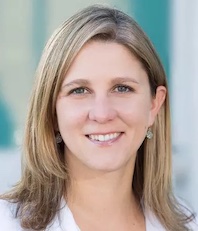 Jennifer Berumen, MD, associate professor in the Division of Transplantation and Hepatobiliary Surgery and surgical director of pediatric abdominal transplantation at Rady Children’s Hospital-San Diego, is taking on a new role as the UC San Diego general surgery residency program director. Berumen completed the same residency program in 2012 and has served as associate program director since 2021.
The Department of Surgery spoke with her about her path from resident to director, her interest in resident education and why she chose to take on this role.
Key Takeaway:
- The Department of Surgery welcomes Jennifer Berumen, MD, as the new director of the general surgery residency program, which she completed herself in 2012.
February 26, 2026 | Interview by Samantha Phan
What inspired you to become a surgeon?
My dad was an OBGYN, and my mom was a nurse, so I was exposed to medicine at a young age. We lived in Arkansas in a town called Fort Smith, which was small enough that it was easy to access the hospital and shadow physicians. I became interested in surgery after shadowing an orthopedic surgeon in high school; I loved seeing the operating room and human anatomy. I later went to Tulane University for biomedical engineering, where I did stem cell research and became interested in transplant surgery specifically.
You completed your general surgery residency here at UC San Diego. What the experience like?
I loved the residency program. I enjoyed the rotations, especially transplant surgery, because of my mentors. For example, the program director at the time, Dr. David Easter, who taught us how to be more independent as surgeons. And I still keep in touch with my co-residents today. Being from Arkansas, I didn’t realize what a powerhouse UC San Diego was, but our general surgery residency program was where I learned to be a great surgeon.
How did you become involved in the program’s leadership?
After completing my abdominal transplant fellowship at Stanford University, I came back to UC San Diego to restart the pediatric liver transplant program at Rady Children’s Hospital-San Diego. Then, in 2021, I became one of the general surgery residency associate program directors.
When I started as the associate program director, my main goal was to integrate wellness initiatives into the residency. We did small things to improve resident lifestyles, such as resident retreat days and snacks and coffee in the resident lounge. Over time, however, I became more involved in other aspects of the residency program, such as recruitment, and started a resident program for mental performance training.
Why did you want to take on an educational leadership role?
I enjoy teaching. It is my favorite part of being an academic surgeon. I like watching the residents learn how to operate, become independent and go from interns to chiefs. I like watching their progression and seeing them develop as surgeons, clinicians and people. And because I was already involved in the residency program as an associate director, the transition to program director has been pretty easy.
I also had such a great residency experience at UC San Diego, and I want to give back and help our current residents have a great experience as well.
What are some new ideas that you have for the program?
Dr. Garth Jacobsen, the previous program director, did such a great job leading the residency, so large improvements aren’t necessary. The biggest change for me is hosting more in-person events for networking and relationship building. The pandemic culture is still around, and we do a lot of things on Zoom. While Zoom is wonderful in many ways, I think it is important to gather the group in person so we can connect and foster a positive team dynamic.
What advice would you give a future surgeon?
It is important to have patience, reflect and be kind to yourself as you go through the training process because being a surgeon is a challenging and rewarding job. You have to see the big picture and recognize that the best way to help patients is by giving them your best effort, every time.