Research
- Transplant Revitalization Laboratory
- Pilot Grant Program
- Bioprinting 3D Livers
Every day in the United States, 17 people die while waiting for an organ transplant—and nine new patients are added to the growing waitlist. Despite decades of progress in transplantation science, the need for viable donor organs has never been more urgent.
At the Transplant Revitalization Laboratory (TRL), we are driven by the mission to advance transplant science through innovation. We focus on developing and applying emerging technologies to:
Basic and translational sciences have been foundational to the field of transplantation since its beginning. At TRL, we continue that tradition—pushing boundaries to bring more lifesaving organs to patients in need.
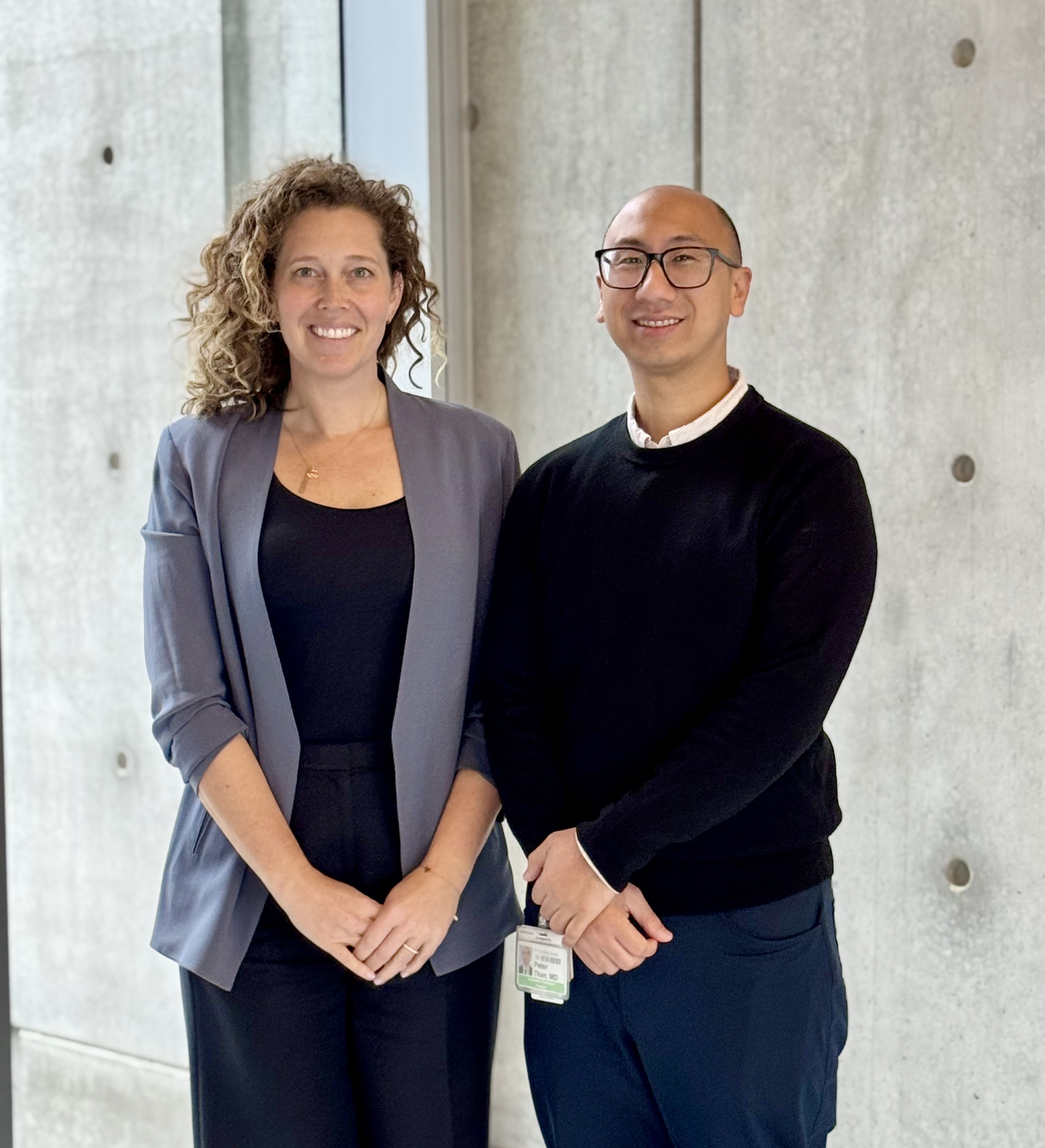
Led by surgeon-scientists Aleah Brubaker, MD, PhD, and Peter Than, MD, the TRL is redefining how organs are rehabilitated using machine perfusion technologies, advancing organ viability assessments, and developing targeted therapeutic interventions to optimize organs for transplantation.
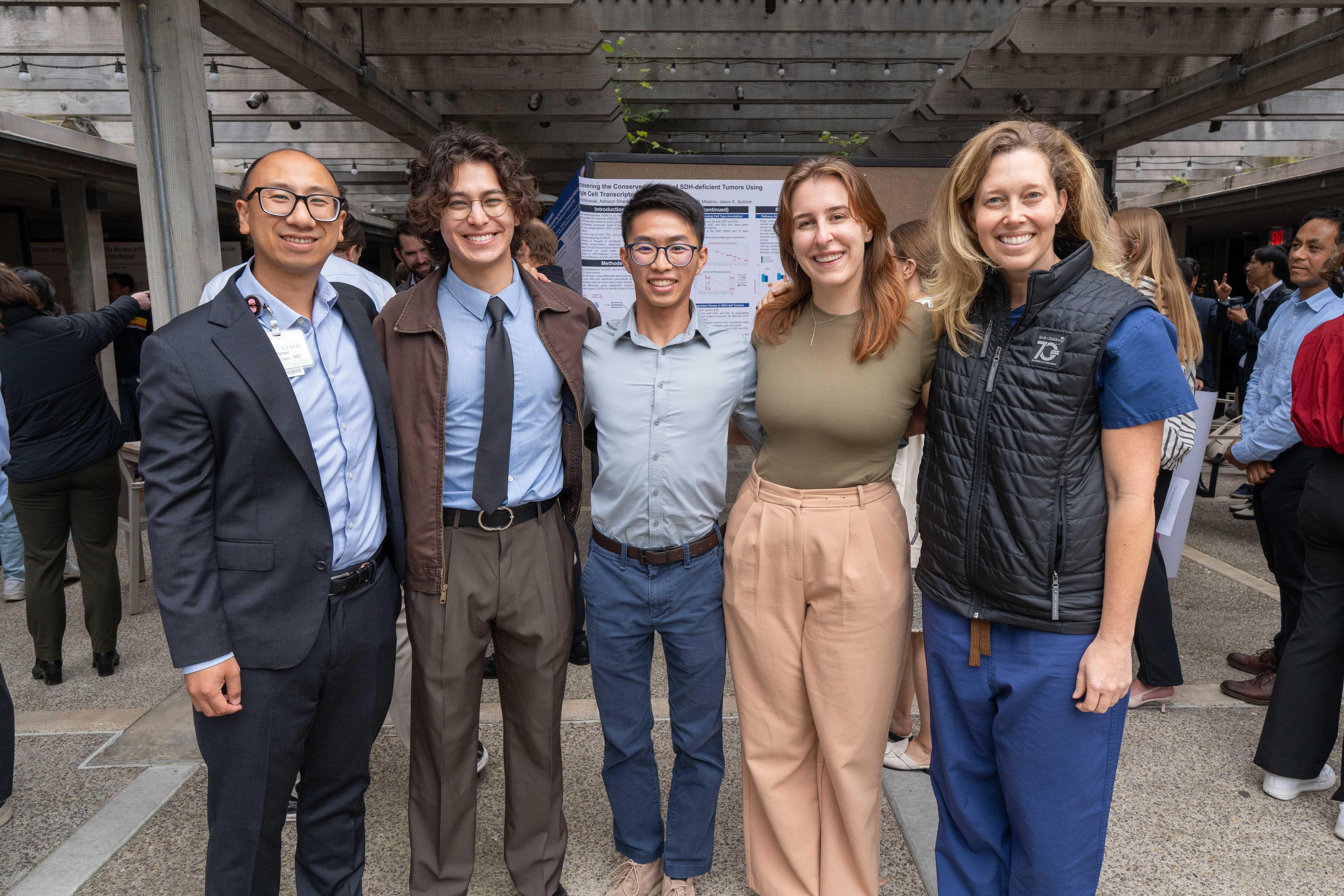
Central to our mission is a commitment to training the next generation of clinician-scientists. We aim to build a collaborative environment where clinically meaningful questions are tackled through the lenses of immunobiology, bioengineering, and bioinformatics — ultimately transforming outcomes for transplant patients.
This critical work is made possible by the generosity of our partners. We are proud to announce that Aleah Brubaker, MD, PhD, and Peter Than, MD, are the inaugural recipients of the Pearl-Hannah Memorial Scholars Award. Endowed by The Step Family Foundation, this award supports the research and career development of early-career physician-scientists. Through their work, Brubaker and Than join a growing community of scholars honoring the legacy of Pearl Brenner and the vision of The Step Family Foundation.